How to Look Expensive on a Budget, Without Buying a Whole New Wardrobe
Good fit, thoughtful color combinations, some jewelry, and great shoes. A practical guide to making affordable outfits feel more polished, starting with what you own.
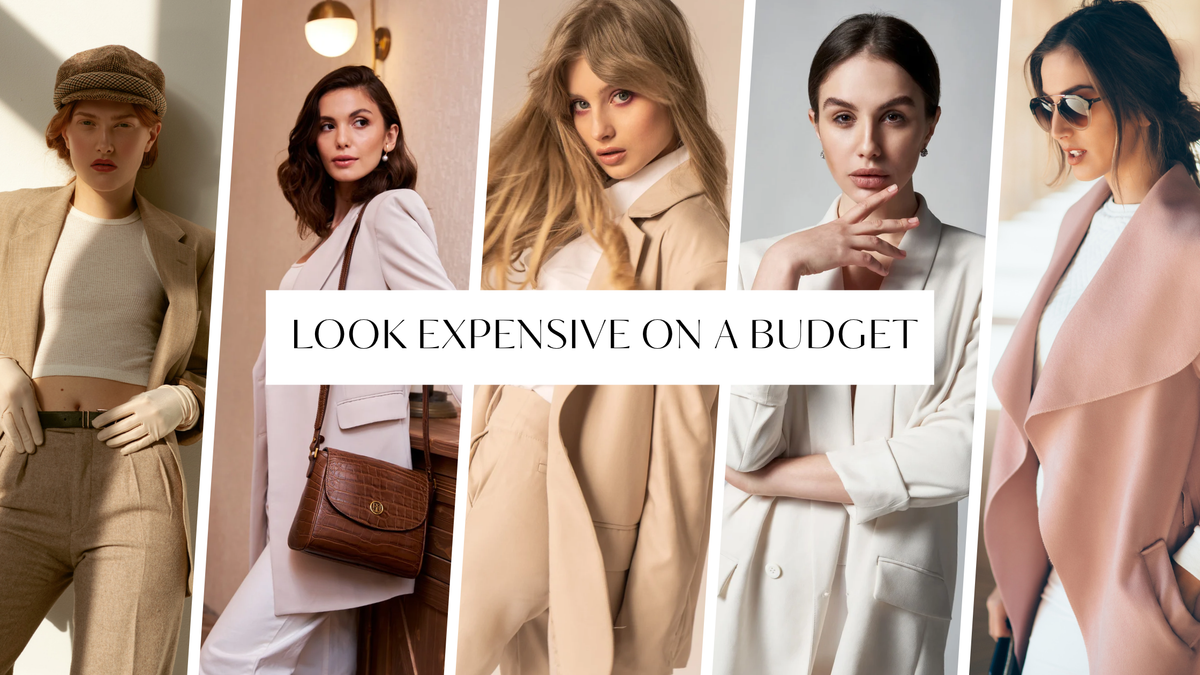
Ask me what makes me feel put together and my answer is fairly predictable: some jewelry, an outfit that fits properly, and great shoes. Color matters, too. I’m much less convinced that a particular lipstick is the missing ingredient.
It’s a useful starting point when so much advice about looking expensive ends with a shopping basket. First the blazer, then the bag, then the shoes that apparently make everything else work. Before long, an article about saving money has found a reason for you to replace half your wardrobe.
I like an affordable find. I also want it to be a good purchase in its own right, with no borrowed logo or imitation designer identity needed to make it appealing.
For me, the appeal of an expensive-looking outfit is the finish: clothes that sit well, colors that belong together, and accessories that feel chosen. Those are things you can work on at almost any budget. Often, you can start with what’s already hanging in your closet.
Before you buy anything, work out what feels off
Take one outfit you almost like. The trousers are good, the shirt is useful, and you can imagine wearing it somewhere, but the whole thing doesn’t quite come together.
Get dressed properly, including shoes and the bag you’d actually carry. Then change one thing at a time. Fold the trouser hem to a different length. Undo the top button. Try the shirt tucked, partly tucked, and loose. Swap a heavy shoe for a slimmer one, or give a delicate outfit a more substantial loafer.

You’re looking for the detail that changes how everything else reads. Sometimes it’s a purchase. Sometimes it’s simply that the hem and the shoe were working against each other.
I’d do this before deciding that the outfit needs a better brand. It gives you a specific problem to solve, which is much easier on the budget than shopping for a vague sense of being more stylish.
Take a photo of the version you like. You now have an outfit to repeat and a clearer idea of what, if anything, needs changing.
Fit is where I’d spend the first bit of money
A well-fitting outfit is one of the things I care about most, and the professional advice supports that priority. In an interview with Who What Wear, stylist Tara Swennen identified poor tailoring as a major reason an outfit can look less polished, regardless of price.

That doesn’t mean everything needs to be fitted closely. A roomy shirt can look wonderful. So can wide trousers and a generous coat. I’d look at whether the volume feels comfortable and deliberate: can you move your arms, sit down, and reach for something without the clothes pulling or needing constant adjustment?
For trousers, check the waistband while seated as well as standing. For a shirt, look at the buttons when you move. For a jacket, try it over the layer you intend to wear underneath. A fitting-room pose is only one small part of the job.
If a pair of trousers already fits well through the waist and hips but needs shortening, ask for an alteration quote. Bring the shoes you’ll wear with it. A complicated change to a jacket’s shoulders is a different decision, so price the work before buying something on the assumption that a tailor can fix everything.
As a current shopping example, UNIQLO’s Smart Wide Straight Pants, product 491519, were $49.90 when checked. They have a mid-rise waist, two tucks, and a center pleat. I’d consider them for the shape, then judge the fit on my own body. A neat product photograph can’t make that decision for you.
Choose a color combination before choosing another item
Color is one of the easiest things to experiment with because you can change the combination without changing the clothes.
Start with two main colors, then let a smaller detail add contrast if you want it. That’s a useful exercise when an outfit feels busy. It isn’t a permanent limit on how many colors you’re allowed to wear.
A few combinations I’d try:
- Navy, cream, and brown: navy trousers, a cream top, and brown shoes or a belt. The warmer accessory keeps the navy from feeling too uniform-like.
- Chocolate and pale blue: a blue shirt with brown trousers, or brown shoes under blue denim. There’s contrast without a sharp jump between every piece.
- Charcoal, black, and silver: gray trousers, a black knit, and a silver watch or earrings. Vary the textures so the dark colors still have definition.
- Burgundy and soft pink: a burgundy skirt or trousers with a pale pink shirt. It’s a way to get a coordinated effect while keeping some color in the outfit.

In Who What Wear’s interviews about high-street style, Aïda Badji Sané recommends neutrals or plain colors for a coherent look. I find the coordination part more useful than treating beige as compulsory. A simple blue shirt can do the same job if it works with the rest of your wardrobe.
Try combinations in daylight. Two nearly identical shades can look slightly awkward together, while a clearer contrast feels intentional. For more starting points, explore our old money color combinations, then keep the ones that suit your own taste.
Look at how the fabric behaves
“Buy better fabrics” sounds sensible until you’re standing in a store wondering what better is supposed to look like.
I’d start with the actual garment. Hold it up and look at how it falls. Check whether the seams lie reasonably flat, whether the lining pulls at the hem, and whether a pale fabric is as opaque as you need it to be. Then try it on and move.

With a knit, look at the neckline and cuffs. With a shirt, check the collar and button placket. With trousers, look at the pockets when you’re standing naturally. If something already twists or pulls before you’ve worn it out, a low price won’t make it less annoying.
The fiber label is useful information, but I wouldn’t let one word make the whole decision. Those UNIQLO trousers, for example, are a polyester, rayon, and spandex blend. Whether they earn a place depends on their fit, finish, feel, and suitability for your day.
Texture can also make a simple color palette more interesting. A smooth cotton shirt beside a soft knit, or matte trousers with polished shoes, gives the eye something to notice. You don’t have to add decoration to every part of the outfit.
And please allow some room for the nature of the fabric. A relaxed linen shirt will develop creases. If you want a consistently crisp finish, choose a garment and care routine that suit that preference rather than expecting linen to behave like something else.
Let your shoes finish the outfit
Great shoes are high on my list because they can change the direction of clothes you already know well. Jeans with a loafer feel different from the same jeans with a sporty sneaker. Neither needs to be the wrong choice; they just suggest different outfits.
I’d choose the shape around the trousers or skirt you wear most. If you’re trying a wider trouser, check how much of the shoe is visible and whether the hem catches as you walk. With a shorter hem, socks and the opening of the shoe become part of the outfit too.

Comfort matters here. A shoe you can walk naturally in is a better starting point than one you’re constantly adjusting. Flats, loafers, clean sneakers, and low heels can all fit this approach. Height isn’t the ingredient that makes an outfit look considered.
Quince’s Italian Leather Horsebit Loafer was $84 when checked. The brand lists a leather upper and lining, and advises sizing up between sizes. I’d consider it if a loafer genuinely fills a gap, with attention to the fit and the visible hardware. I haven’t tested its comfort, so I’d use the return window to make that judgment indoors.
If loafers aren’t your thing, our affordable old money shoes guide includes other directions. You don’t need to change your entire wardrobe to accommodate a pair of shoes you don’t particularly like.
Before shopping, check your current favorites. Wiping them down according to the material’s care instructions, replacing tired laces, or asking a repairer about worn heels may be all they need.
Add jewelry where you’ll actually notice it
My regular jewelry is earrings, a bracelet, a watch, and a pendant. Mostly gold, sometimes silver. That makes jewelry a natural part of this conversation for me, but I don’t think every outfit needs all four at once.
With an open neckline, I’d try the pendant first. With a high neckline, I might give the earrings more attention. If the watch already has presence, the bracelet can go on the other wrist or stay at home.

A small edit is useful when several details are competing. You might keep the larger earrings and take off the necklace, or let a textured pendant stand on its own. Then look again. The aim is to find the combination you like, rather than follow a rule about removing one accessory before leaving the house.
The minimalist jewelry capsule guide goes further into choosing a small rotation. For this outfit, start with the pieces you own and check that they work with the neckline, sleeves, and other hardware.
I’d apply the same thought to a bag. Check the shape when it contains your actual belongings, the condition of the straps, and how comfortably it sits with your coat. A useful, well-kept bag is a much better buy than a copy you chose mainly for its resemblance to something expensive.
The least exciting purchase might do the most work
A beautiful sweater with visible pills can distract from an otherwise lovely outfit. So can a shirt that needs pressing or dark trousers covered in lint. This part is easy to overlook because it doesn’t offer the excitement of something new.
A lint roller, a suitable clothes brush, or the iron you already own may be enough. Follow the garment’s care label. For a sharp crease or a crisp shirt, an iron may be more useful than a steamer; Good Housekeeping’s testing guide makes that distinction when comparing the tools.
If pilling is the issue, a fabric shaver is worth considering. Good Housekeeping’s lab-tested selection names Conair as its best overall choice. The Conair battery-operated model CLS1X was $17.79 on the brand’s site when checked and requires two AA batteries, sold separately.
Use it according to the instructions and check whether it suits the fabric. The point is to make a piece wearable again, not to attack every textured surface until it looks perfectly smooth.
I’d also make a small repair pile: a loose button, an undone hem, a zipper that needs attention. Get a quote where necessary. A repair only makes financial sense if the garment is one you still want to wear.
Be quite specific about what deserves your budget
“Invest in basics” can become an expensive instruction if it means buying a premium version of everything plain.
I’d choose according to what limits the outfits you already have. If nearly every work outfit uses the same trousers and their fit bothers you, that’s a useful place to spend. If you have good trousers but no comfortable shoes to wear with them, the priority changes.
Before buying, ask yourself three things: what would I wear this with, what problem does it solve, and what will it cost after any alterations or special care?
If you have $100 available, it doesn’t need to become a $100 shopping basket. You could buy the $49.90 trousers, keep your existing top and jewelry, and leave room for a hem adjustment if needed. Or buy nothing new and use a small portion on care or repair. The right choice depends on the outfit in front of you.
Secondhand can be useful for finding a shape or fabric you like within budget. Ask for measurements when shopping online and inspect wear at collars, cuffs, underarms, and hems where you can. Factor in cleaning and alterations before deciding that something is a bargain.
I’d rather have a clear reason for a modest purchase than a grand explanation for an expensive one.
Three outfit ideas to try with your own clothes
For an ordinary weekday, try straight or wide trousers, a simple knit, and loafers or flats. Add earrings and a watch. Check the trouser length with the shoe, then see whether a tucked or untucked hem gives you the proportion you prefer. Navy and cream is a good starting combination, but charcoal and pale blue works too.
For a casual weekend, try jeans, a shirt, and the same shoes. Roll the sleeves if you like the effect and add your bracelet. A belt can bring the brown from your shoes into the outfit, but don’t buy one just to complete a formula. Look at whether the shirt and jeans already work together.
For dinner, keep one of those bottoms and change the top or earrings. A burgundy blouse with dark trousers can have plenty of presence without sequins or a designer bag. You could also stay with a simple black top and let a ring or pair of earrings be the detail. Use the shoes you can comfortably spend the evening in.
These combinations are starting points. The useful part is seeing how the same well-fitting pieces work in different settings. Save the combinations you like so you have something reliable for the next rushed morning.
What I’d check before heading out
I’d look at the hem, the shoes, the neckline, and the color combination. Does anything need a quick adjustment? Is the bag comfortable to carry? Do the accessories still feel right now that the coat is on?
I wouldn’t add lipstick just because a checklist says a polished woman needs it. If it makes you feel finished, wear it. If the outfit already feels like you, you can leave it there.
A good outfit has to survive the day you’re about to have. For me, looking expensive on a budget comes back to those first few things: fit, jewelry, shoes, and colors I enjoy together. Once those feel right, there’s often much less left to buy.