Floral Perfumes Have More Personality Than We Give Them Credit For
Flowers have more range than a pretty bottle suggests. Find the floral direction that actually interests you.
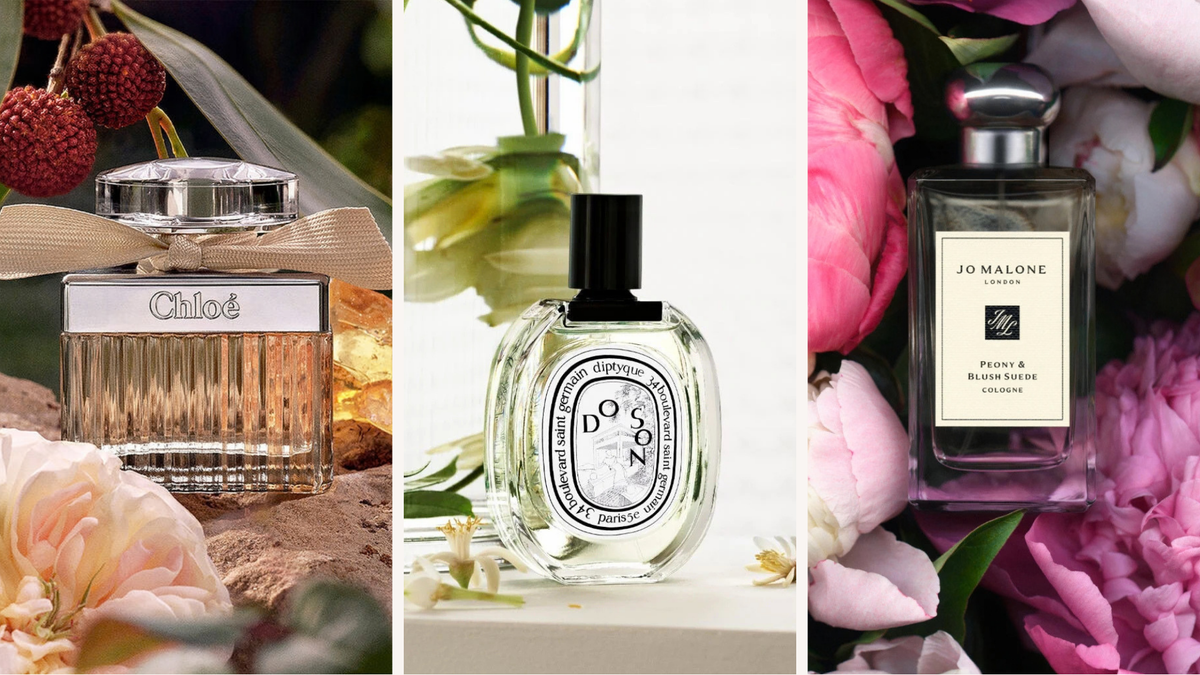
“I don't really like florals” always makes me want to ask one more question. Which kind? A rose with a powdery finish, a bright fruity bouquet, and a tuberose perfume can lead to very different experiences. Putting them all in one category is convenient until you are trying to spend money on something you will actually enjoy.
That is what drew me to this edit. I wanted to move past the idea of floral perfume as a single personality: pretty, polite, perhaps a little predictable. Flowers can be the lightest part of a fragrance, its main event, or the thing that holds a darker composition together.
The five floral perfumes here offer different ways in. Some make sense for someone who wants freshness around the flowers; others are worth exploring precisely because the floral character is more central. Choosing between them starts with what you want the bouquet to do.
A little vocabulary makes shopping less vague
When I use “fruity floral,” I mean a perfume where a fruit impression shares attention with the flowers. “Powdery” describes an impression rather than a claim that a fragrance contains face powder. And a “white floral” description points you toward flowers such as jasmine, orange blossom, and tuberose; it does not promise that the result will be light or quiet.
Those distinctions are useful because vague preferences produce vague recommendations. If you say you dislike florals when the real issue is a powdery finish, you may rule out perfumes you would have liked. If what bothers you is sweetness, simply changing from vanilla to flowers may not solve it.
For this selection, the starting points are fruit and jasmine in Chance Eau Tendre, apple and peony in Peony & Blush Suede, tuberose in Do Son, a rose-centered Chloé, and a darker rose direction in Velvet Rose & Oud. Think of them as different conversations rather than steps on a ladder of sophistication.
Chance Eau Tendre leaves room for the fruit
Chanel Chance Eau Tendre Eau de Toilette is where I would begin with someone who wants flowers to have some company. Chanel identifies a grapefruit-quince accord, jasmine, and white musk. See the EDT composition.
The reason to include it is that a floral recommendation does not have to place the flower alone at center stage. You might enjoy a brighter frame around it, particularly if your existing favorites tend toward fruit. This gives you a clear bridge to investigate rather than asking you to make a complete change in taste.
My imagined use is daytime: work, lunch, a weekend with plans but no great ceremony. I like the idea of a floral that belongs in those ordinary spaces, rather than being reserved for weddings and dresses. That is an editorial pairing, not a restriction on when you can wear it.
The possible drawback is familiarity. If you already have a fruity floral you love, ask what this would add before buying. A change of house and bottle does not necessarily create a new role in your wardrobe.
I would compare it with Peony & Blush Suede if you are deciding between two daytime floral directions. Keep your attention on the fruit-and-flower combination you prefer, rather than deciding based on which label seems more elegant. Also, retain Eau de Toilette in your search: the eau de parfum is a separate version, and mixing their reviews makes the decision less clear.
Peony & Blush Suede brings a different texture to the idea
Jo Malone London Peony & Blush Suede Cologne has an apple opening, a peony heart, and a suede base in the brand’s note structure. Read the product description.
The suede is the detail that makes this an interesting comparison with a more straightforward fruit-and-flower brief. I would investigate it if you like the idea of a floral with some softness around the edges, while paying attention to whether that texture is something you actually enjoy.
For a daytime celebration, a lunch date, or a simple outfit you want to make feel a little more considered, this is a sensible sample to put on the list. The occasion is a way of narrowing your intentions, though, not evidence that the perfume works identically for everybody.
Saima at The Fairytales Blog reports approximately five to six hours of wear in her own review. If you want a floral to carry you through an event without another application, that gives you a practical question to test rather than a promise to rely on. Read her wear report.
I would not make this the first stop for someone seeking a dark, woody rose or a tuberose-centered perfume. Those interests are better served elsewhere in this edit. A recommendation becomes more useful when it can admit who should move on.
Do Son is for when you want to meet the flower
Diptyque Do Son Eau de Toilette takes the selection into tuberose. Diptyque lists orange blossom, jasmine, and a marine accord alongside it, and connects the fragrance to co-founder Yves Coueslant’s memories of summers in Vietnam. Read Diptyque’s account.
That is the brand’s story, rather than the author’s travel memory, and I think it provides a more specific starting point than calling the perfume simply “feminine.” Here, the question is whether the tuberose direction interests you enough to make it the focus of your sample.
Compared with Chance Eau Tendre, I would put less emphasis on fruit and more on your response to the flowers themselves. Compared with Chloé, it is a chance to explore a different floral identity. You might discover that your supposed dislike of florals was a dislike of one particular flower or treatment.
I would be careful about equating the marine element with an automatically subtle perfume. A description can suggest air and freshness without telling you how much scent you will want around you. If prominent white flowers are usually difficult for you, give this a deliberate test instead of assuming that the eau de toilette label settles the matter.
My reason for including Do Son is curiosity. It offers the reader a clear departure from the fruitier starting points. I would try it when there is time to notice whether that departure feels exciting, comfortable, or simply unlike something you want to wear.
Chloé makes the rose decision more specific
Chloé Eau de Parfum, the original signature fragrance, is the rose route I would explore before moving to a darker composition. The house describes it as a fresh, powdery floral, with peony above rose petals and magnolia, followed by cedar and ambergris. See the signature Eau de Parfum.
The word I would pay attention to is “powdery.” If that quality is one of the things you enjoy in perfume, it gives you a reason to try this. If it is exactly what you are trying to avoid, the rose note alone is not enough to make it a sensible blind purchase.
I like this as a candidate for someone who wants a recognizable floral identity with their everyday clothes. A rose can feel deliberate without requiring a theatrical setting. The interesting test is whether this treatment of the flower feels like something you would choose repeatedly.
Beside Do Son, it makes the question of flower preference much clearer. Beside Velvet Rose & Oud, it reveals that even choosing “rose” only gets you halfway to a decision. You still have to choose its surroundings.
Check that the listing is for Chloé Eau de Parfum rather than another Chloé fragrance with a similar presentation. The full name matters more than recognizing a ribboned bottle. I would also resist buying it purely because a description says timeless. What matters is whether you want this particular floral character in your current life.
Velvet Rose & Oud changes the backdrop
Jo Malone London Velvet Rose & Oud Cologne Intense takes the rose in a richer direction, pairing it with oud, clove, and praline. Jo Malone’s description explains why it belongs at a different end of this edit from the brighter bouquets.
I would investigate it if you like flowers but dislike the assumption that floral perfume must feel lighthearted. It gives you a way to keep a flower at the center of the choice while exploring a darker setting around it.
The comparison with Chloé is the most useful one here. Which surrounding idea appeals: a fresh, powdery floral structure, or the contrast of rose with woods, spice, and sweetness? You do not need to decide which is the more accomplished perfume to know which sample fits your brief.
My styling association is an evening coat, a winter gathering, or a simple outfit with one substantial accessory. I would not make it my first recommendation for someone whose entire request is an airy rose. That person may like the imagery but want a different scent experience.
If you are new to oud-centered descriptions, avoid buying on the strength of the rose alone. The surrounding elements are part of the point. Try it because you are curious about the complete composition, not because you hope the parts you are unsure about will disappear.
Choose the flower, then choose its company
If I were narrowing this edit down to two samples, I would choose one familiar direction and one genuinely different one. A fruity floral wearer could compare Chance Eau Tendre with Do Son. Someone curious about rose could put Chloé beside Velvet Rose & Oud. That way, the comparison teaches you something about your preferences instead of producing two nearly identical shopping decisions.
Give your dislike as much attention as your enthusiasm. If one sample turns powdery in a way you do not enjoy, write that down. If fruit makes the flowers more appealing, that is useful, too. A specific observation will make your next search easier than another vague conclusion that florals are or are not for you.
There is no requirement to become a floral perfume person. You might find one treatment of one flower that feels right and leave the rest alone. That would be a very good result: a bottle chosen because you understand why you want it, rather than because “pretty” sounded like enough information.