11 Historic Fashion Trends That Deserve a Modern Comeback
Discover historic fashion trends that deserve a comeback, from lover's eye jewelry and parasols to chatelaines, capelets, button boots, and vintage-inspired accessories.
Fashion has always looked to the past for inspiration, but some historical accessories and garments deserve more than just a runway revival. Many of these pieces were not only beautiful but also practical, sentimental, or incredibly well-crafted. From hidden perfume jewelry to elegant sun protection, these forgotten fashion trends could easily find a place in today's wardrobes with a modern update.
Just like brooches in recent times, here are some other historic fashion accessories and clothing we'd love to see make a comeback.
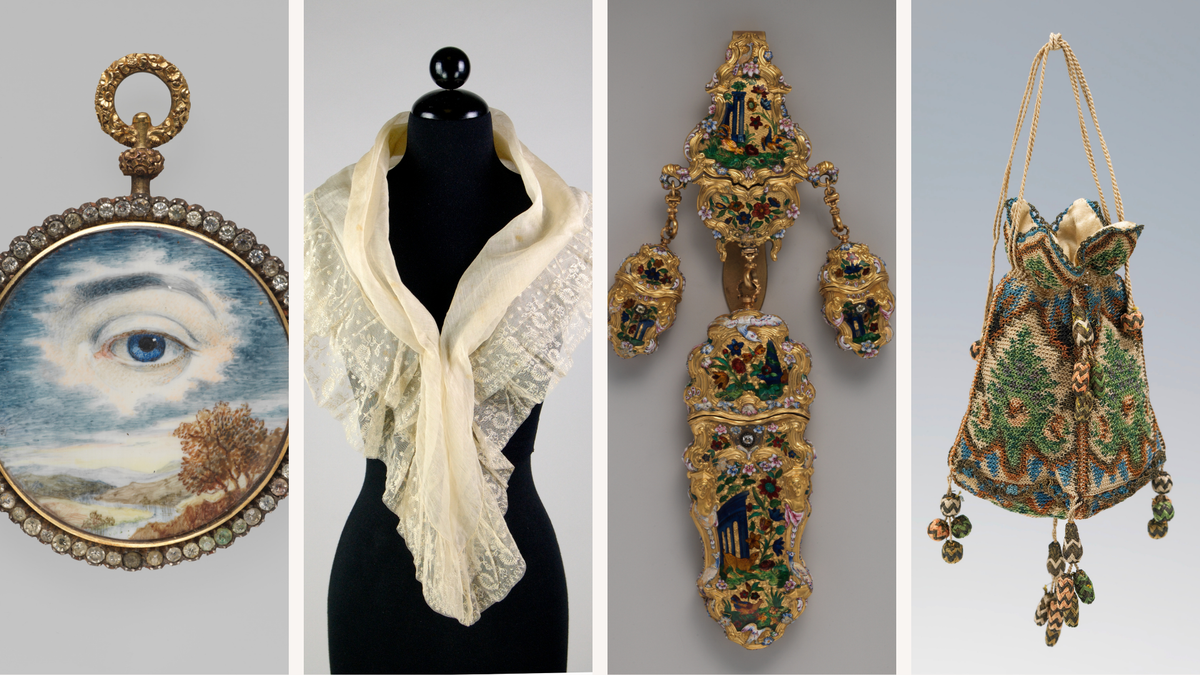
Lover's Eye Miniatures
Popular during the late 18th and early 19th centuries, lover's eye miniatures were tiny painted portraits showing only a person's eye. They were often exchanged between lovers or family members as deeply personal keepsakes, allowing the subject to remain anonymous to everyone else.
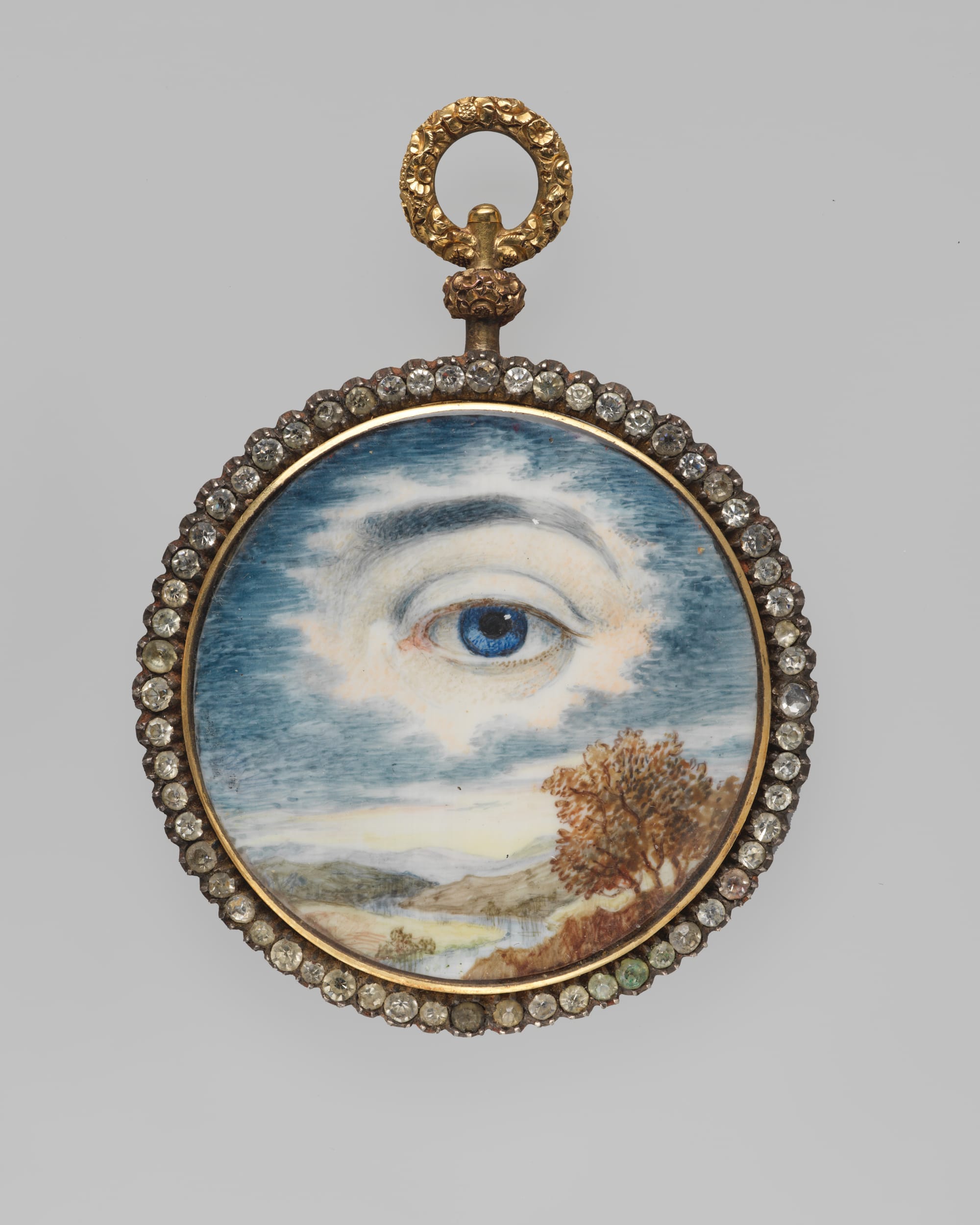
Today, they could return as unique lockets, rings, or pendants, offering a far more sentimental alternative to mass-produced jewelry.
Parasols
Before sunscreen became widely available, parasols were a fashionable way to protect the skin from the sun. They were specifically mean for protection against the sun, as opposed to paraguas (or rain umbrellas).
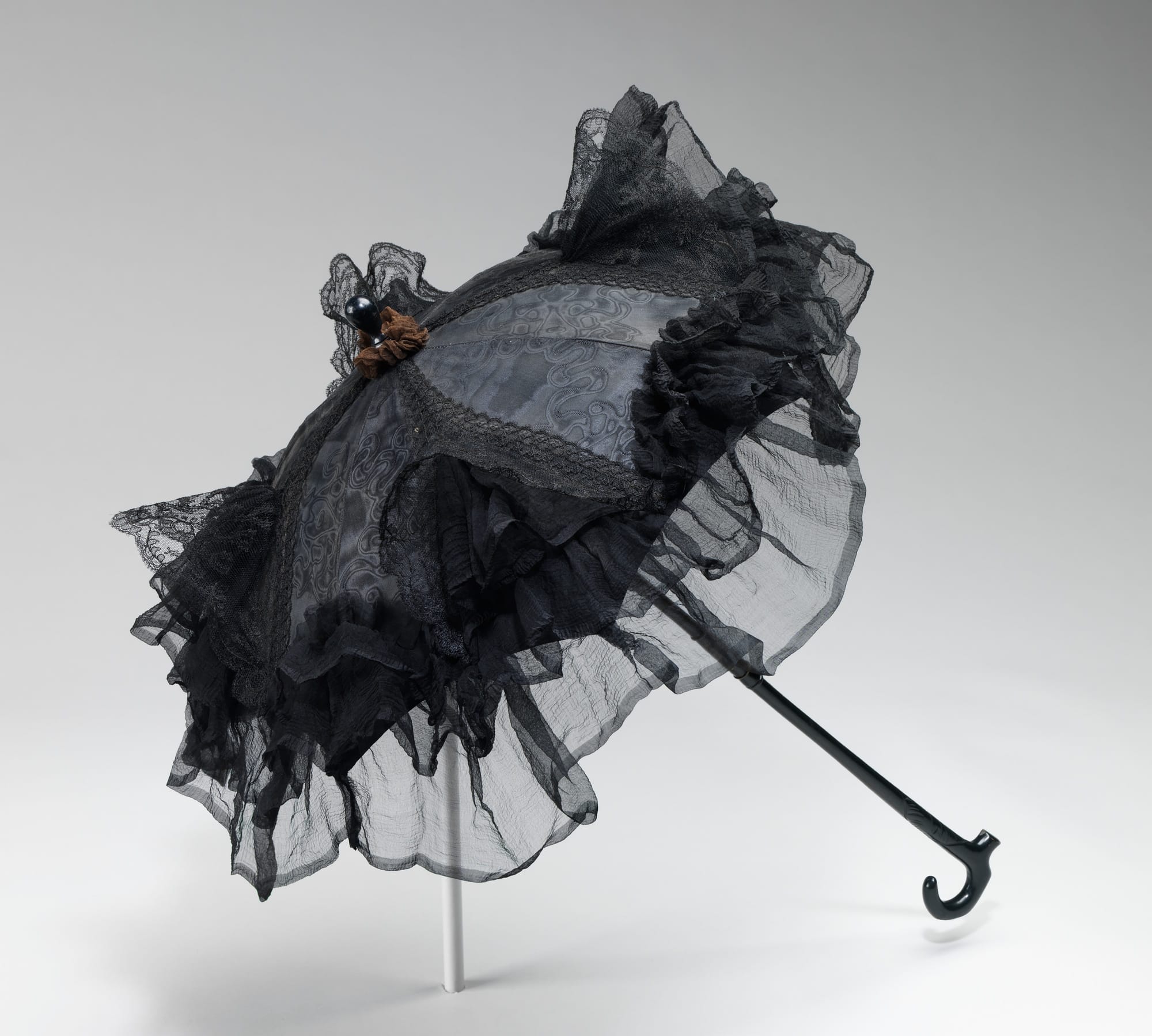
With growing awareness of UV protection, decorative and lightweight modern parasols could once again become both a stylish accessory and a functional way to stay cool outdoors.
Capelets
Capelets became especially fashionable during the Victorian and Edwardian eras, adding warmth and elegance without the bulk of a full-length coat. They were often decorated with embroidery, lace, or fur trims.
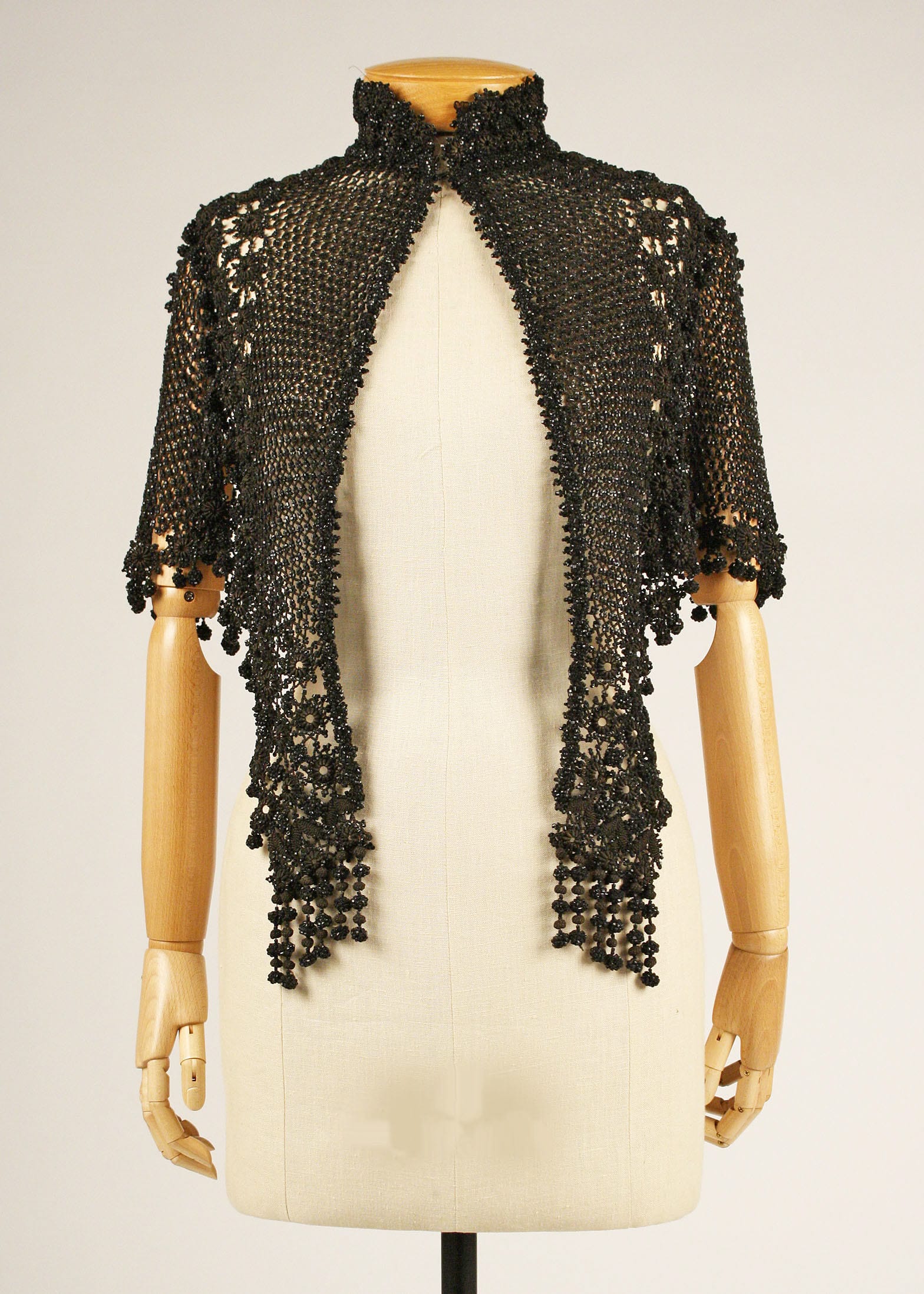
Today, a capelet makes a sophisticated layering piece over dresses, knitwear, or tailored outfits, adding instant drama to even the simplest look.
Chatelaines
Originating in medieval Europe and reaching peak popularity during the Victorian era, chatelaines were decorative waist chains that carried everyday essentials such as keys, watches, scissors, notebooks, or sewing tools.
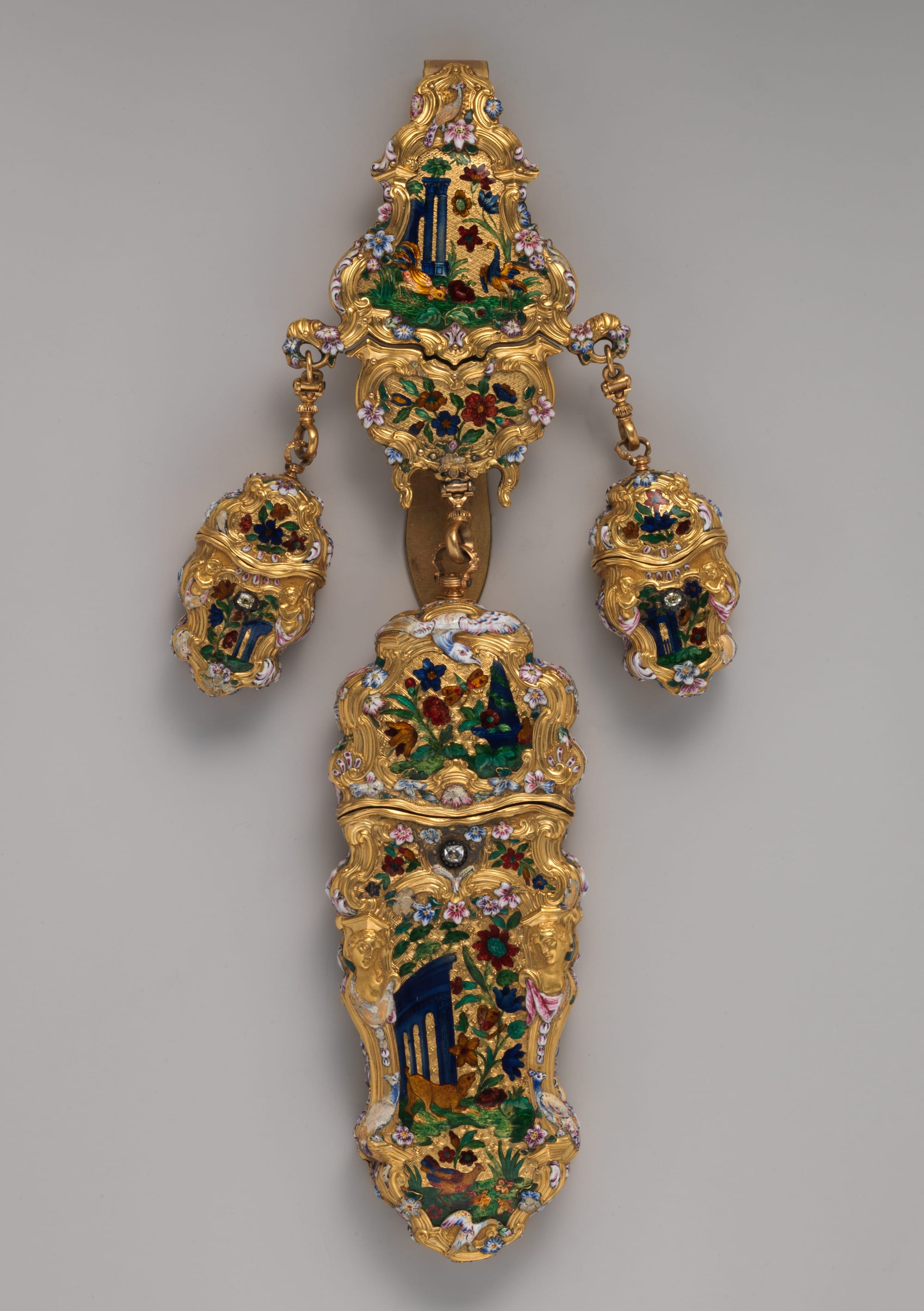
A modern version could hold AirPods, lip balm, hand sanitizer, keys, or small pouches, turning practicality into a stylish statement.
Reticules
Reticules were small drawstring handbags introduced in the late 18th century when women's dresses became too slim to accommodate hidden pockets. Often embroidered or beaded, they were among the earliest forms of handbags.
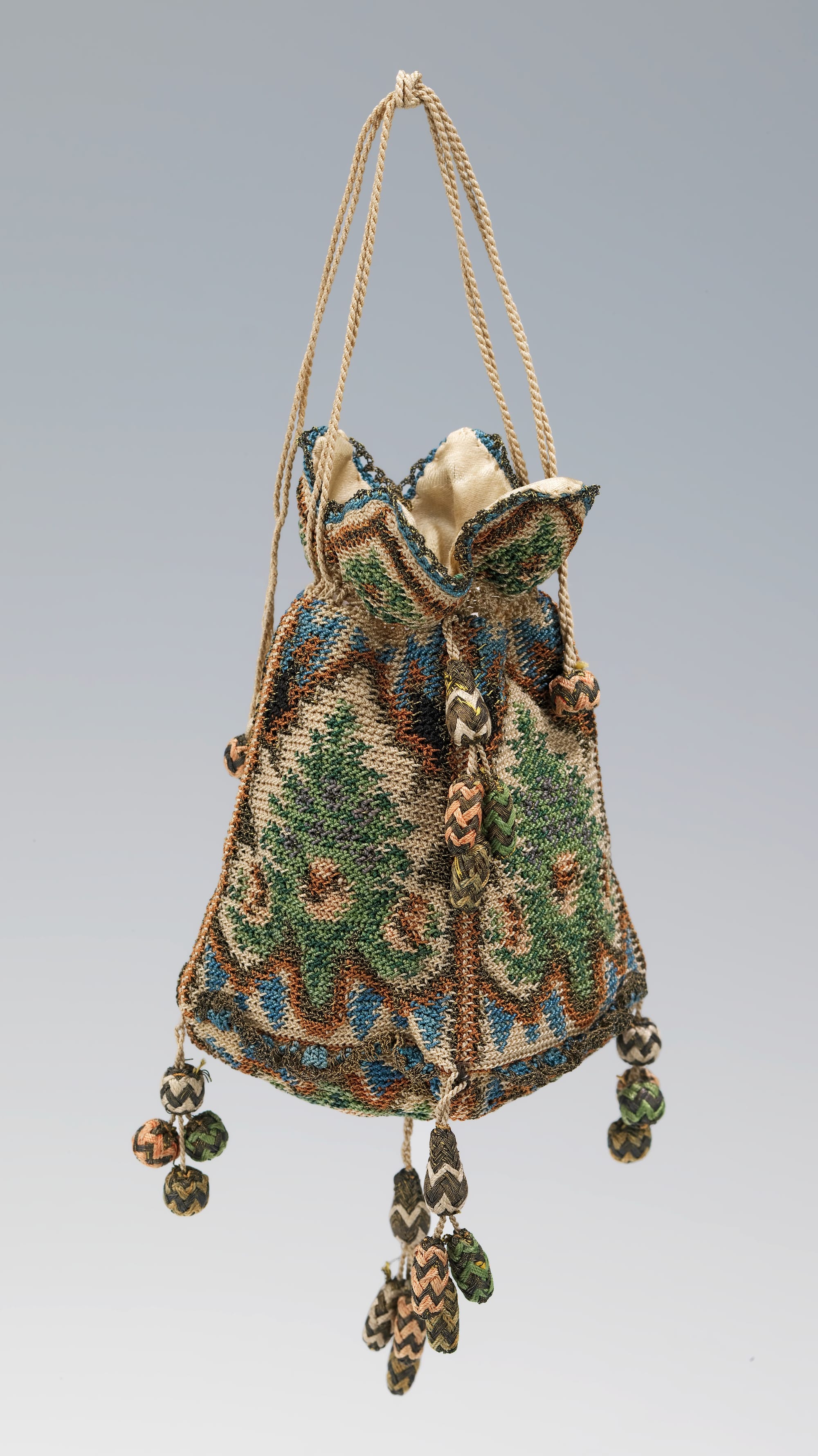
Today, they would make charming evening bags or statement accessories, especially with modern embellishments and luxurious fabrics.
Micromosaic Jewelry
Originating in Italy during the late 18th century, micromosaic jewelry featured thousands of tiny hand-cut glass tiles arranged into intricate floral designs, landscapes, or architectural scenes. Each piece showcased remarkable craftsmanship.
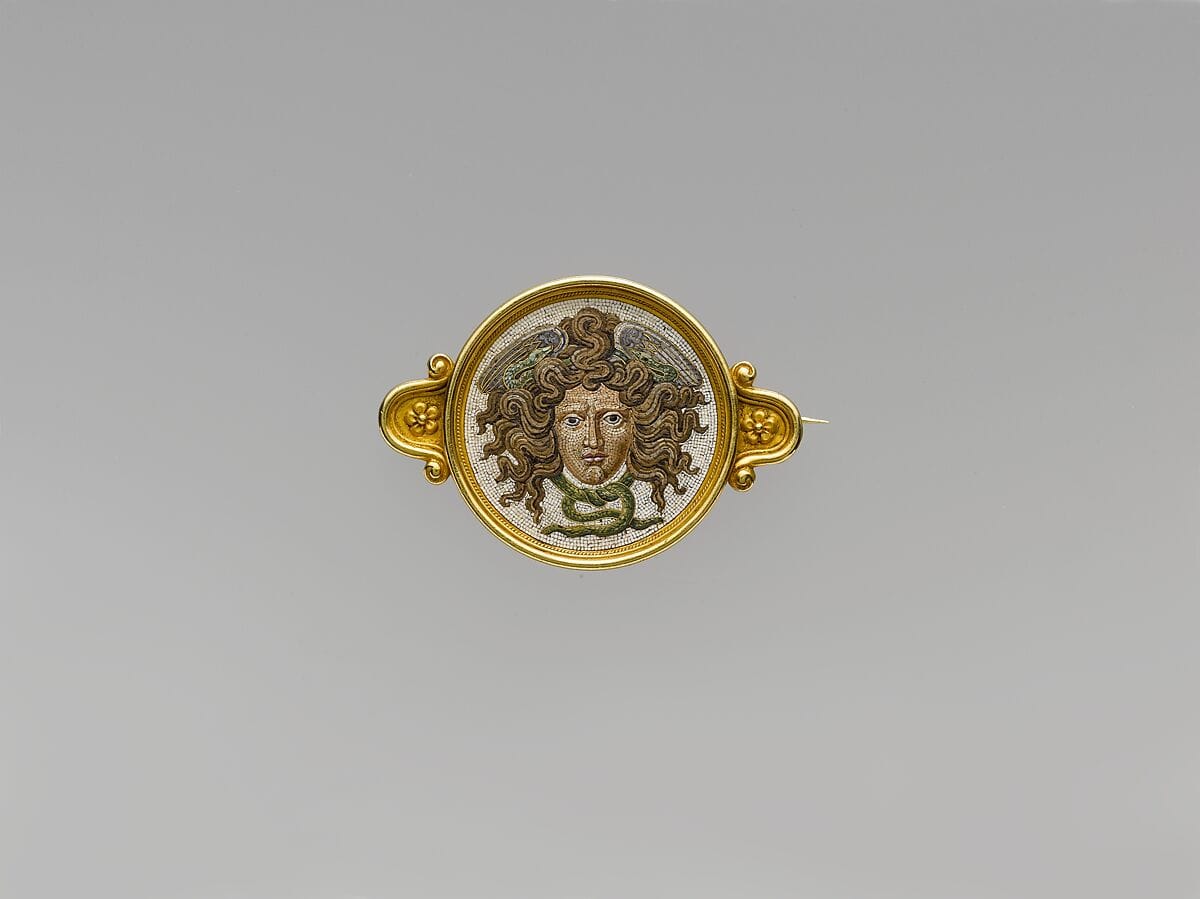
These miniature works of art would make beautiful heirloom jewelry in an era increasingly dominated by mass production.
Vinaigrettes
Victorian vinaigrettes were decorative lockets or tiny metal boxes that held a scented sponge soaked in vinegar or perfume. They were carried to mask unpleasant odors or provide relief during travel.
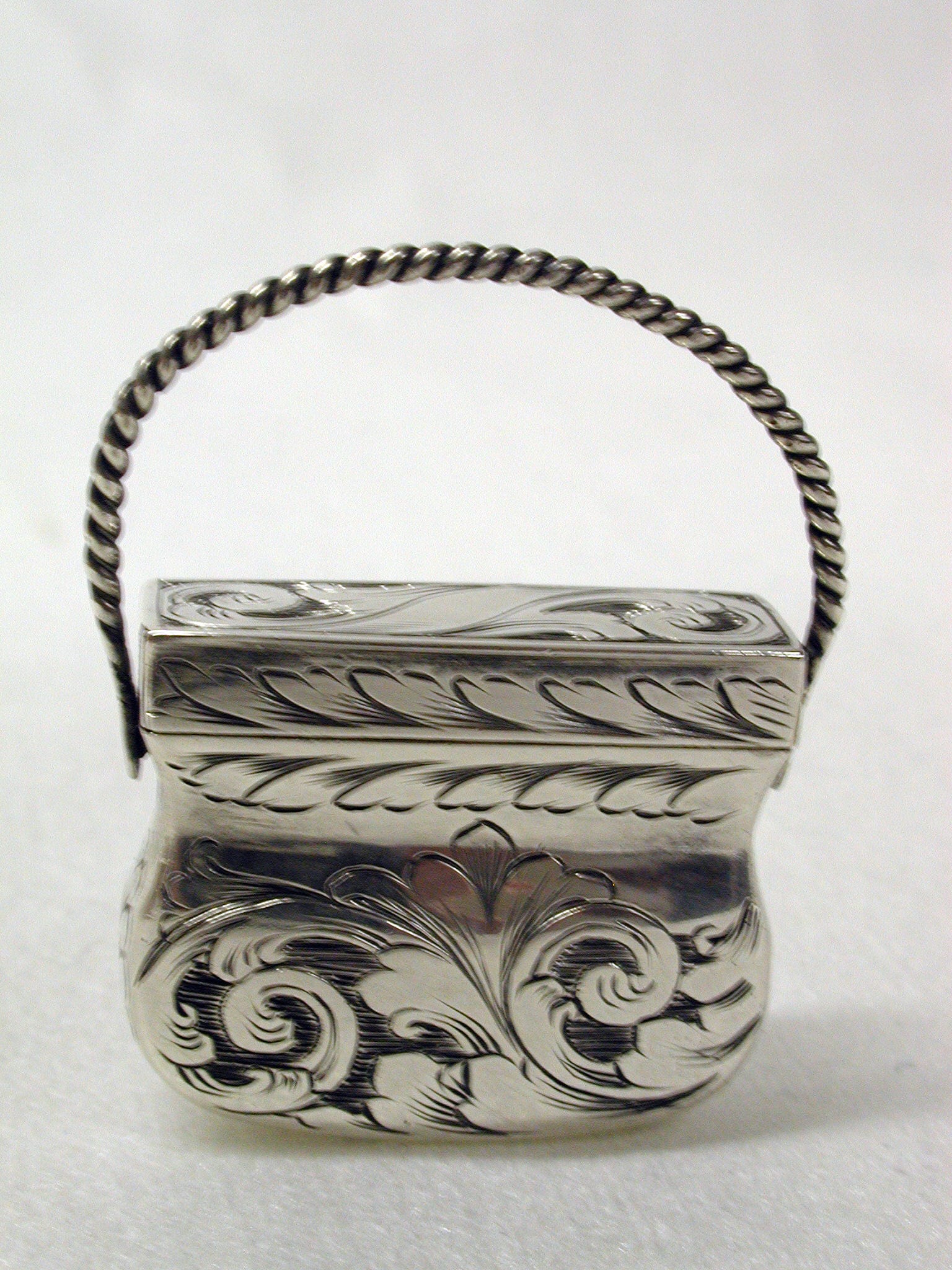
Reimagined today, they could become elegant wearable fragrance holders or aromatherapy pendants filled with essential oils.
Embroidered Slippers
For centuries, embroidered slippers were handcrafted with floral motifs, metallic threads, and intricate needlework, serving as both indoor footwear and formal shoes in many cultures.
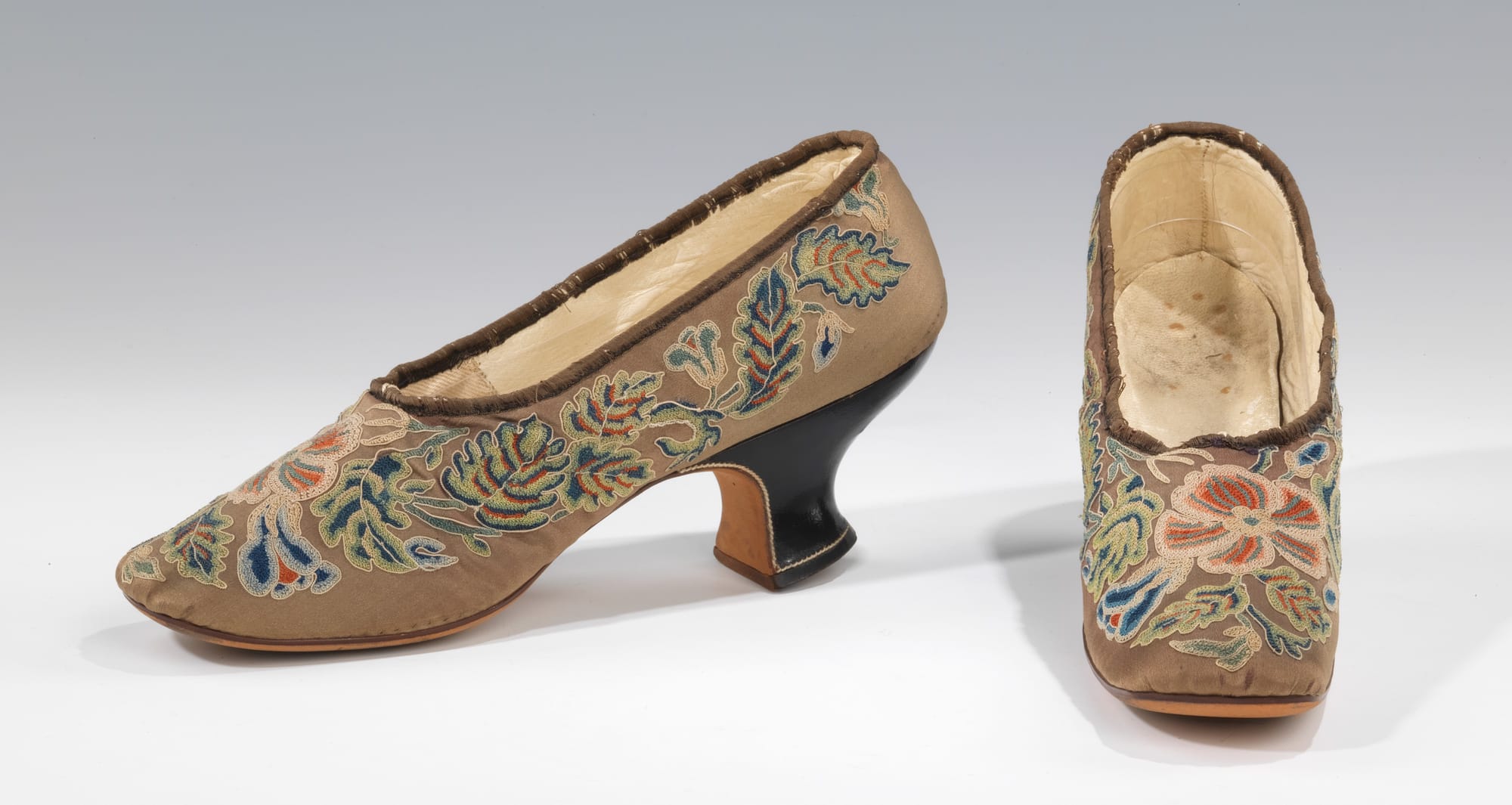
Modern embroidered loafers, ballet flats, or slippers would add craftsmanship, color, and personality to everyday outfits.
Frame Bags
Frame bags, recognized by their structured metal kiss-lock closures, became especially popular during the late 19th and early 20th centuries. Their elegant shape made them a timeless evening accessory.
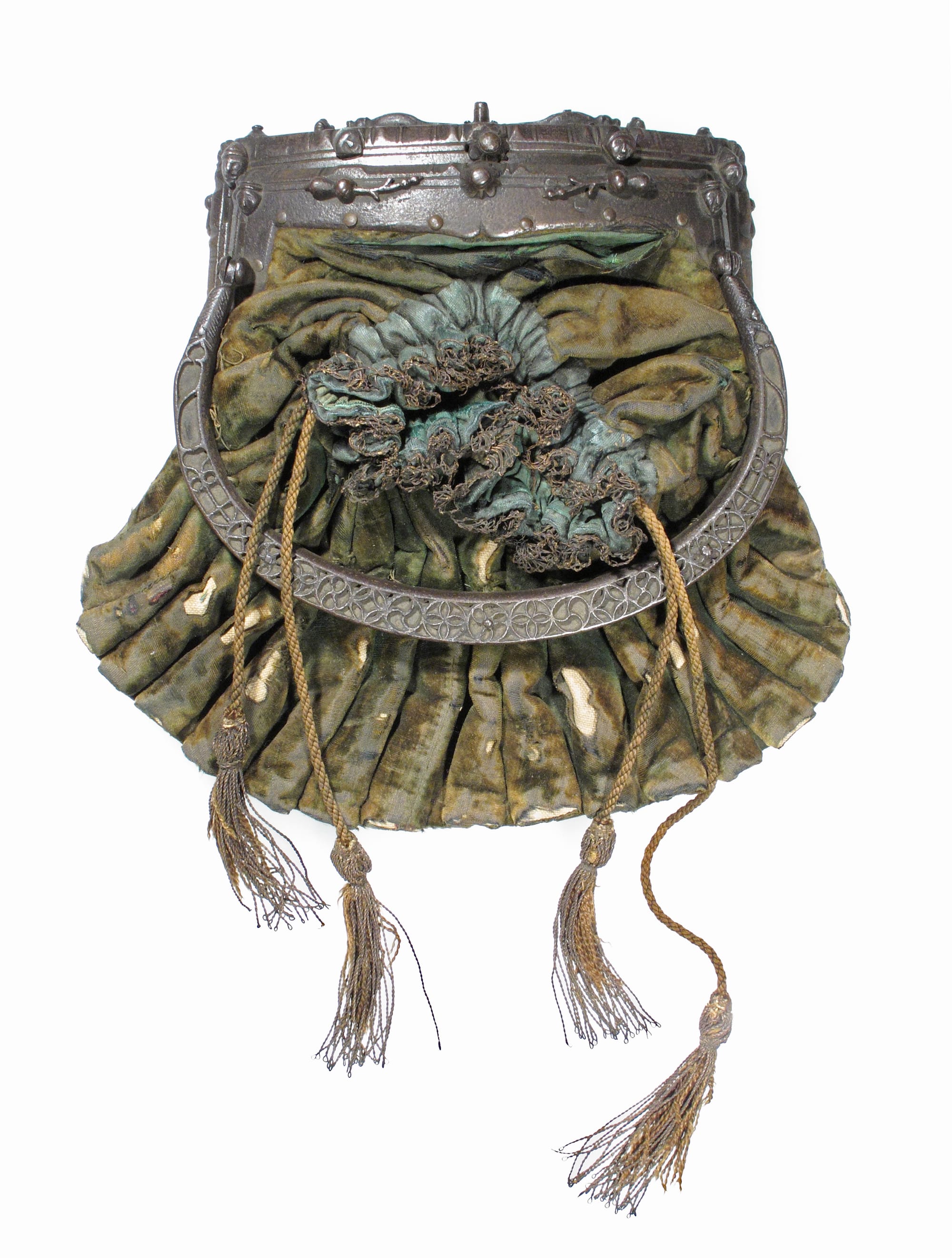
A contemporary frame bag offers vintage charm while remaining polished enough for both formal occasions and everyday wear.
Button Boots
Button boots rose to popularity during the Victorian and Edwardian periods. Fastened with rows of small buttons running up the ankle, they created a sleek, elegant silhouette and were often worn with dresses and tailored outfits.
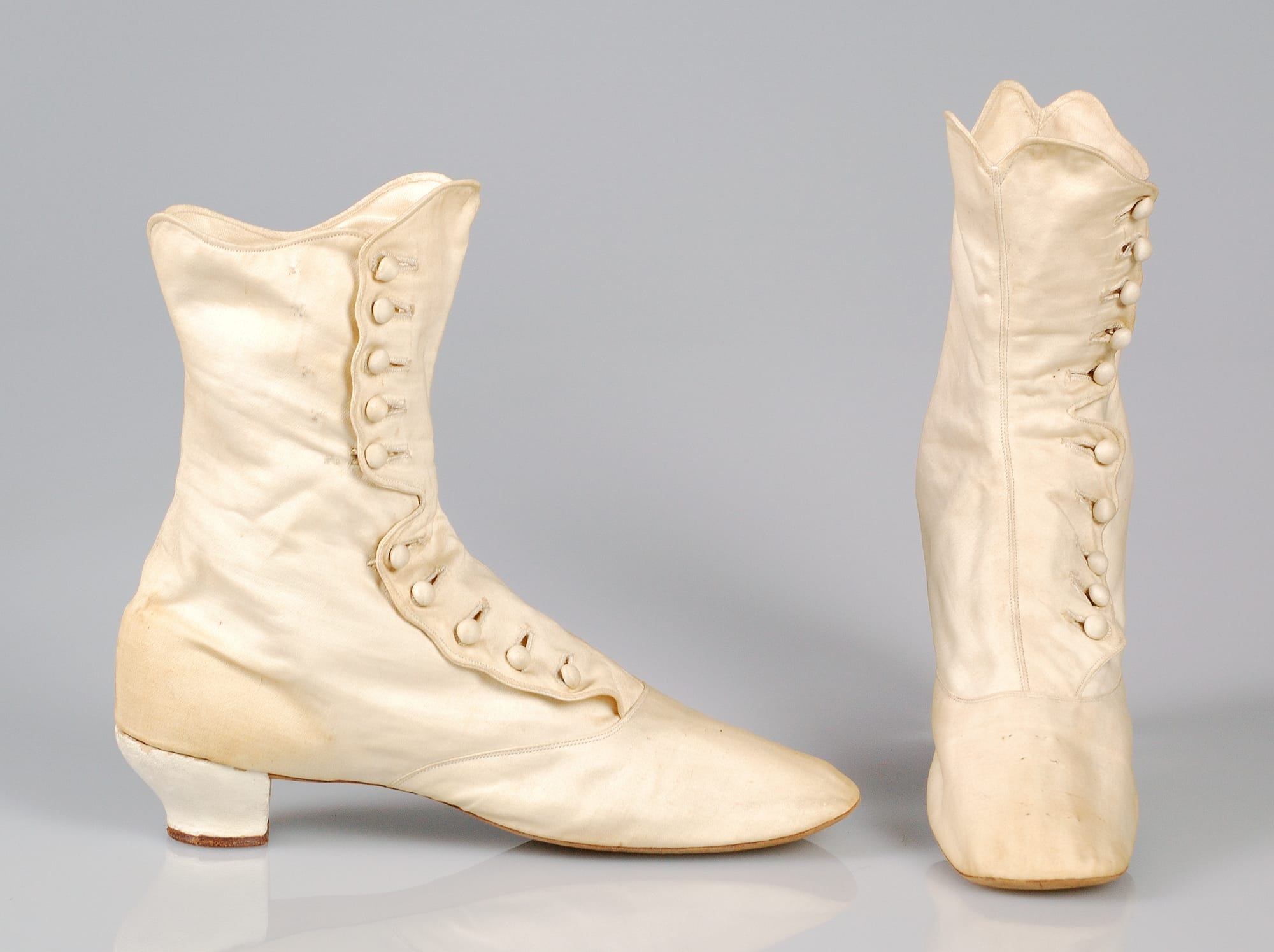
Updated with modern materials and easier closures, button boots could become a stylish alternative to traditional ankle boots.
Fichus
A fichu is a lightweight triangular scarf that was commonly worn throughout the 18th and 19th centuries. Draped over the shoulders or tucked into a dress, it added modesty, warmth, and decorative texture.
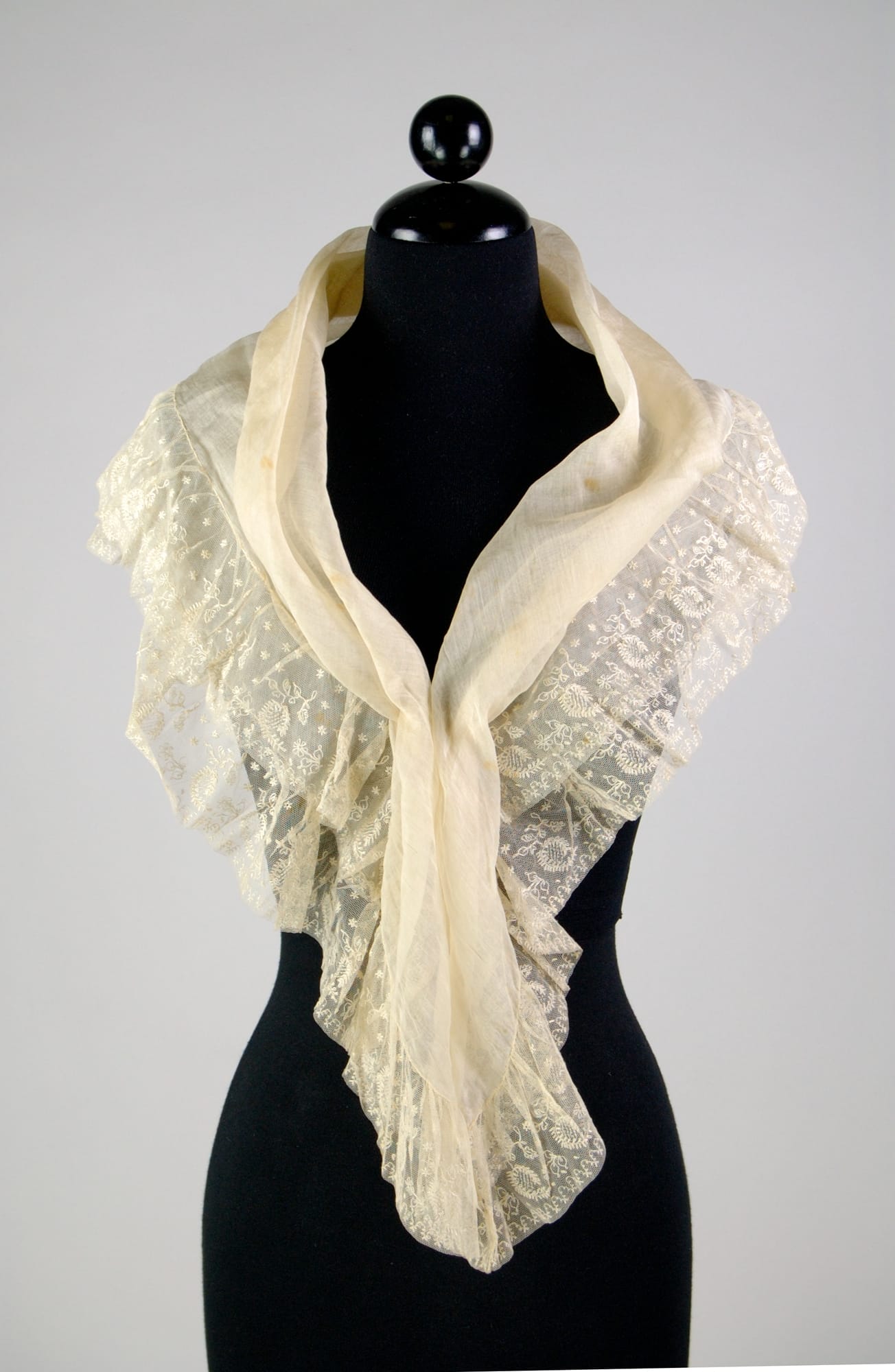
Today, a fichu could be styled much like a silk scarf, layered over square-neck tops, dresses, or blazers for a romantic, vintage-inspired touch.
Image Credits: All images featured in this article are from The Metropolitan Museum of Art Open Access Collection (Public Domain/CC0).